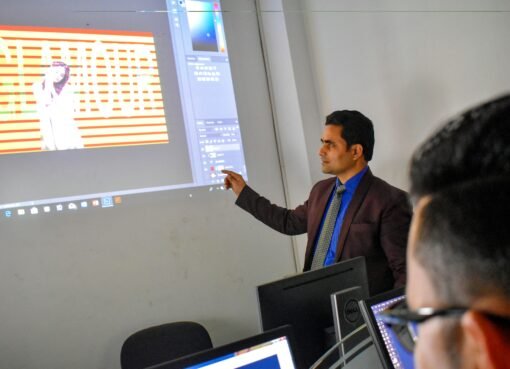
Why Hire eLearning Designers?


We are often asked why a company should invest in professional eLearning designers. For those who are considering developing their own training materials or relying on readily available, generic solutions, the question is valid. The temptation to cut costs or timelines by undertaking this task internally or by using off-the-shelf content is understandable. However, like a seasoned architect designing a complex building, experienced eLearning designers bring a depth of knowledge and a strategic approach that can transform a mediocre training program into a powerful engine for organizational growth and employee development. We believe that understanding the tangible benefits they provide is crucial for any organization looking to leverage the full potential of digital learning.
At the core of what eLearning designers do is a deep understanding of how people learn. This is not intuitive knowledge; it is built upon decades of research in cognitive psychology, pedagogy, and learning sciences. When you hire an eLearning designer, you are not just hiring someone to make pretty slides. You are engaging a professional who understands the architecture of knowledge acquisition.
Understanding the Learning Curve
Every piece of information we encounter must be processed, understood, and retained. Designers are experts in mapping out the optimal path for this process. They consider the learner’s prior knowledge, their existing skill sets, and the specific learning objectives. This allows them to build content that doesn’t overwhelm beginners or bore experienced individuals. Imagine trying to teach someone to swim by simply throwing them into the deep end; an eLearning designer ensures they learn in a managed, progressive environment, mastering the basics before tackling more complex strokes.
Cognitive Load Management
Our brains have a finite capacity for processing information at any given moment. Overloading this capacity leads to confusion, frustration, and ultimately, a failure to learn. eLearning designers are masters of cognitive load management. They break down complex topics into digestible modules, use clear and concise language, and strategically employ multimedia elements to reinforce understanding without causing overload. This is akin to a chef preparing a multi-course meal; each dish is meticulously crafted to be savored and appreciated, rather than presenting a chaotic buffet.
Ensuring Engagement and Retention
Simply presenting information is rarely enough to ensure it sticks. Learning requires active participation and meaningful connections. Designers employ a variety of techniques to foster engagement, such as interactive elements, real-world scenarios, and opportunities for practice and feedback. They understand that a passive learner is a forgetful learner. Their work aims to create an experience that is not only informative but also memorable and applicable. This is like planting seeds in fertile soil; the right conditions and care lead to strong, lasting growth.
Tailoring to Diverse Learning Styles
We all learn differently. Some are visual learners, others are auditory, and still others are kinesthetic. A skilled eLearning designer acknowledges this diversity and crafts content that appeals to multiple learning preferences. This could involve incorporating videos for visual learners, audio narration for auditory learners, and interactive simulations for kinesthetic learners. By addressing these varied styles, they ensure that the learning experience is accessible and effective for a broader audience, leaving fewer learners behind.
When considering the benefits of hiring eLearning designers, it’s essential to understand the broader context of professional development and motivation in the workplace. There are valuable insights that can complement the advantages of effective eLearning design by encouraging a proactive attitude towards learning and growth.
Beyond the Basics: Crafting Compelling and Engaging Content
While instructional design forms the bedrock, the artistry of eLearning lies in its ability to captivate and hold the learner’s attention. Generic, uninspired content is as ineffective as a lecture delivered in a monotone. Professional eLearning designers possess the creative vision to transform dry information into dynamic and engaging learning experiences.
Storytelling and Narrative Design
Humans are hardwired for stories. A well-told narrative can make even the most complex subject matter relatable and memorable. eLearning designers leverage storytelling techniques to create a more immersive and impactful learning journey. They can weave a compelling narrative around a product, a process, or a skill, making it easier for learners to connect with the material on an emotional level. Think of it as building a bridge between the abstract concept and the learner’s reality, making the journey across seamless and enjoyable.
Multimedia Integration and Visual Design
The visual appeal of eLearning content is paramount. A dull, text-heavy presentation can quickly disengage learners. Designers leverage a range of multimedia elements, including high-quality graphics, animations, videos, and interactive simulations, to bring content to life. They understand the principles of visual design and user interface (UI) to create interfaces that are not only aesthetically pleasing but also intuitive and easy to navigate. This is like using vibrant colors and textures to paint a masterpiece, rather than just sketching with a single pencil.
Interactive Elements and Gamification
Passive consumption of information is a passé approach to learning. Modern eLearning designers incorporate interactive elements and gamification principles to actively involve learners. This can include quizzes, drag-and-drop exercises, branching scenarios, and leaderboards. These elements transform learning from a chore into a challenge, fostering a sense of accomplishment and encouraging repeated engagement. Imagine turning a tedious task into a fun game, where progress is tracked and achievements are celebrated.
Crafting Meaningful Scenarios and Simulations
Abstract concepts are often difficult to grasp. eLearning designers create realistic scenarios and simulations that allow learners to apply their knowledge in practical, low-risk environments. This is particularly valuable for training in areas like customer service, technical skills, or leadership. Learners can practice making decisions, respond to challenges, and receive immediate feedback, building confidence and competence before facing real-world situations. This is like providing a pilot with a flight simulator; they can gain crucial experience without jeopardizing a real aircraft.
Ensuring Accessibility and Inclusivity in Digital Learning
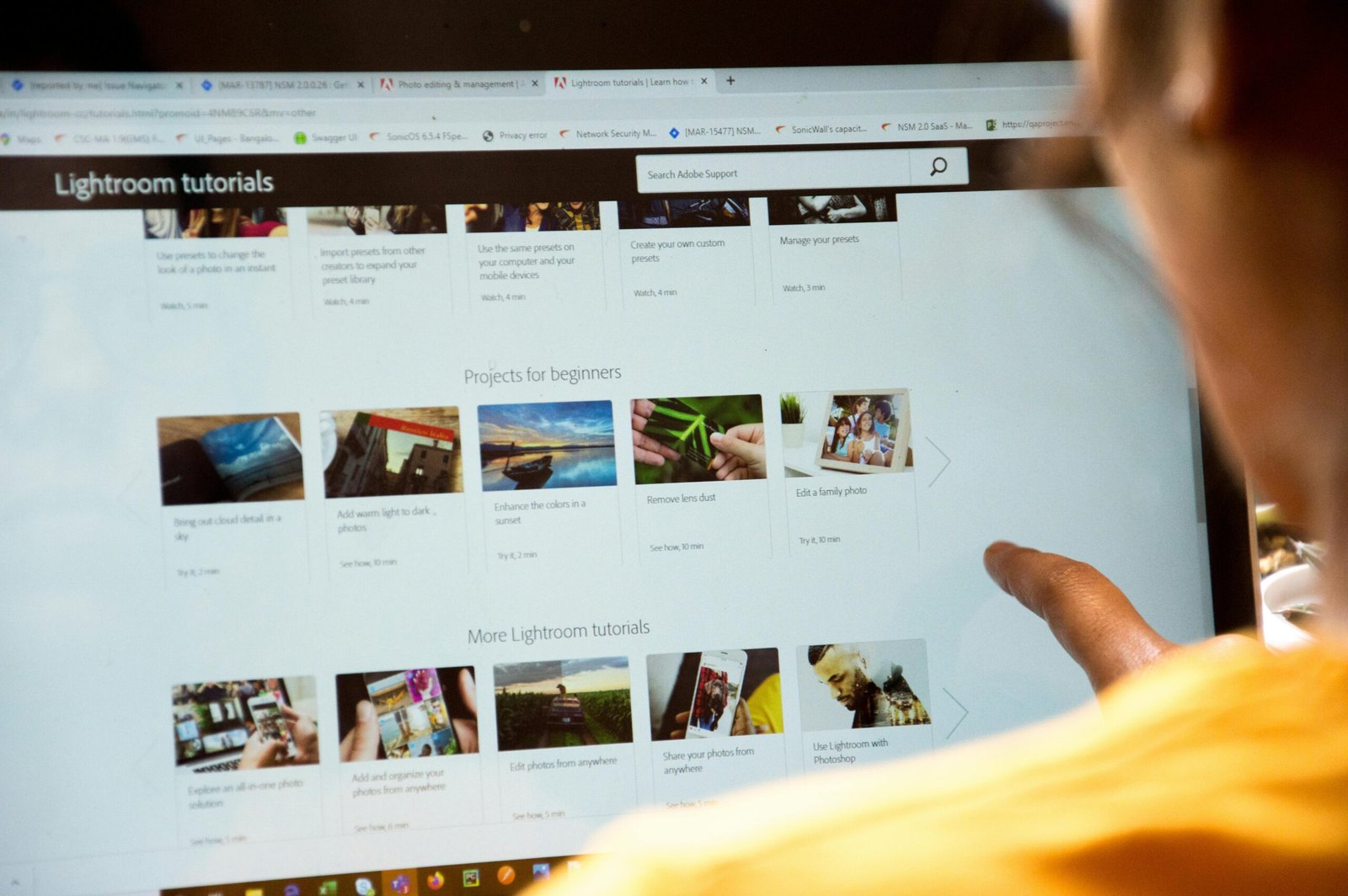
In today’s diverse global workforce, overlooking accessibility is not just an oversight; it’s a failure to meet the needs of a significant portion of your audience. Professional eLearning designers are acutely aware of the importance of ensuring that learning content is accessible to everyone, regardless of their abilities or background.
Understanding Universal Design for Learning (UDL)
Universal Design for Learning (UDL) is a framework that guides the creation of learning environments that are flexible and accommodating to all learners. eLearning designers familiar with UDL principles build in multiple means of representation, engagement, and action and expression. This ensures that learners can access the information in ways that best suit them, participate actively, and demonstrate their understanding effectively. It’s about creating a learning environment that welcomes everyone, like a public building designed with ramps and accessible restrooms, ensuring no one is excluded.
Compliance with Accessibility Standards
Many organizations are legally obligated to ensure their digital content is accessible. eLearning designers are knowledgeable about relevant accessibility standards, such as the Web Content Accessibility Guidelines (WCAG). They can incorporate practices like providing closed captions for videos, using descriptive alt text for images, and ensuring keyboard navigability. This not only meets compliance requirements but also expands the reach of your training programs.
Culturally Sensitive Content Development
Beyond functional accessibility, creating inclusive content also involves cultural sensitivity. Designers consider the diverse cultural backgrounds of learners and avoid content that might be ambiguous, offensive, or irrelevant to certain groups. This involves careful selection of examples, imagery, and language to ensure that the training resonates positively with a global audience. It’s like choosing universal metaphors that are understood and appreciated across different cultures, rather than relying on local idioms that might be lost in translation.
The Strategic Advantage: ROI and Long-Term Value

Investing in professional eLearning design is not merely an expense; it’s a strategic investment with a demonstrable return on investment (ROI) and significant long-term value. When done correctly, eLearning can significantly impact a company’s bottom line and its capacity for innovation.
Cost-Effectiveness of Scalable eLearning
While initial development costs might seem higher, well-designed eLearning solutions are incredibly cost-effective in the long run. Once developed, a digital course can be deployed to an unlimited number of employees, across multiple locations, with minimal additional cost. This dramatically reduces the need for expensive in-person training sessions, travel expenses, and instructor fees. Think of it as an upfront investment in a well that continuously provides clean, accessible water, rather than constantly having to buy bottled water.
Enhanced Employee Performance and Productivity
Effective training leads to a more skilled and knowledgeable workforce. When employees are equipped with the right skills and information, their performance improves, leading to increased productivity, reduced errors, and higher quality output. eLearning designers create training that is not just informative but also practical and applicable, directly impacting an individual’s ability to excel in their role. This fuels the engine of the company, making it run more efficiently and powerfully.
Reduced Time to Competency
In today’s fast-paced business environment, getting new employees up to speed quickly is crucial. Professional eLearning designers can create onboarding programs and skill-development modules that significantly reduce the time it takes for individuals to become competent in their roles. This allows them to contribute to the organization’s success sooner, leading to a faster ROI on your hiring investments. It allows new members of the team to find their footing and contribute to the collective effort with greater speed.
Building a Culture of Continuous Learning
Organizations that thrive are those that foster a culture of continuous learning and development. Investing in high-quality eLearning signals to your employees that you are committed to their growth. This can boost morale, increase employee retention, and attract top talent. A well-designed eLearning program becomes a cornerstone of this culture, providing accessible and engaging opportunities for ongoing professional development. It’s like tending a garden; with consistent care and the right tools, it will flourish and yield bountiful results for years to come.
When considering the benefits of hiring eLearning designers, it’s essential to recognize the impact of creativity and innovation in educational content. The importance of artistry in design and how it can enhance the learning experience which highlights how effective design can transform traditional learning methods into engaging and interactive experiences.
Professional Expertise: Navigating the Complexities of Digital Learning Development
The landscape of digital learning is constantly evolving. New technologies, pedagogical approaches, and design tools emerge regularly. Relying on in-house expertise that may not be up-to-date can lead to outdated and ineffective training. Professional eLearning designers are at the forefront of these advancements, bringing a wealth of specialized knowledge and experience to your projects.
Staying Current with Technology and Trends
The eLearning world is a dynamic ecosystem. New learning management systems (LMS) are introduced, authoring tools are updated, and innovative delivery methods are explored. Professional designers dedicate themselves to staying current with these trends. They understand which technologies are most effective for specific learning goals and can advise on the best platforms and tools for your organization. This ensures your investment in eLearning remains relevant and impactful. It’s like having a navigator who constantly monitors the currents and weather, charting the most efficient course.
Project Management and Efficiency
Developing a comprehensive eLearning program is a complex undertaking that involves multiple stages, from needs analysis and content development to testing and deployment. Professional designers are experienced project managers. They can streamline the development process, ensuring timelines are met, budgets are managed, and quality is maintained. Their expertise prevents projects from becoming bogged down in inefficiency or scope creep. This is akin to having a seasoned conductor guiding an orchestra; they ensure all the individual instruments play in harmony to produce a beautiful symphony.
Quality Assurance and Iterative Improvement
Ensuring the quality of any learning material is paramount. Designers implement rigorous quality assurance processes to identify and rectify any errors, inconsistencies, or areas for improvement in the training content. Furthermore, they understand the value of an iterative approach, where feedback is gathered and incorporated to continually refine and enhance the learning experience over time. This commitment to excellence ensures that your eLearning programs remain effective and relevant. It’s like a sculptor constantly refining their work, chipping away until the perfect form is revealed.
In conclusion, while the immediate appeal of DIY eLearning or generic content might seem tempting, the long-term benefits of partnering with professional eLearning designers are undeniable. They bring a vital blend of pedagogical expertise, creative vision, technological proficiency, and strategic foresight. They are the architects of impactful learning, ensuring that your investment in employee development translates into tangible organizational success. When you are a ship setting sail for new horizons, you need a skilled captain and a well-built vessel; professional eLearning designers provide you with both, ensuring your crew is not only prepared for the journey but also equipped to navigate any storm and reach their destination successfully.
FAQs
What is the role of an eLearning designer?
An eLearning designer is responsible for creating engaging and effective online learning experiences. They design course content, develop interactive elements, and ensure the material meets educational objectives and learner needs.
Why is it important to hire a professional eLearning designer?
Hiring a professional eLearning designer ensures that courses are pedagogically sound, visually appealing, and technically functional. They bring expertise in instructional design, multimedia development, and user experience, which enhances learner engagement and knowledge retention.
How do eLearning designers improve the learning experience?
eLearning designers use instructional strategies, multimedia tools, and interactive elements to make content more accessible and engaging. They tailor courses to different learning styles and incorporate assessments to measure learner progress effectively.
Can eLearning designers customize content for specific industries or audiences?
Yes, eLearning designers can tailor content to meet the unique needs of various industries, job roles, and learner demographics. This customization ensures relevance and applicability, which improves learner motivation and outcomes.
What are the benefits of investing in eLearning design for organizations?
Investing in professional eLearning design leads to higher-quality training programs, increased learner engagement, better knowledge retention, and improved performance. It also allows organizations to scale training efficiently and track learner progress through analytics.