How to Build an Affiliate Sales Funnel in 6 Easy Steps


Building a robust affiliate sales funnel is a foundational strategy for monetizing online traffic and generating passive income. This article outlines a methodical, six-step process for constructing an effective affiliate sales funnel, drawing upon established digital marketing principles. The objective is to provide a clear, actionable framework for individuals seeking to enhance their affiliate marketing efforts.
The initial and arguably most critical step is the meticulous selection of both your niche and the specific affiliate offers you will promote. This stage sets the trajectory for your entire funnel’s success.
Identifying a Profitable Niche
A profitable niche is characterized by several key factors. Firstly, there must be demonstrable demand. This can be assessed through keyword research (identifying high search volume for relevant terms), analysis of popular online communities (forums, social media groups), and observation of existing successful businesses in the space. Secondly, the niche should possess sufficient commercial intent. Are people actively looking to buy solutions or products within this niche? For example, “learn to play guitar” has higher commercial intent than “history of music.” Finally, consider your personal interest and expertise. While not mandatory, genuine interest can significantly enhance the quality of your content and your ability to connect with your audience. Avoid overly broad niches, which lead to intense competition, and overly narrow niches, which may lack sufficient audience size.
Researching High-Converting Affiliate Offers
Once a niche is established, the focus shifts to identifying affiliate offers that resonate with that audience and demonstrate a strong conversion history. This involves exploring various affiliate networks such as ClickBank, ShareASale, Commission Junction (CJ Affiliate), and Amazon Associates. When evaluating offers, consider the following:
- Commission Structure: Understand the percentage or fixed payout per sale. Higher commissions are generally preferred, but equally important is the conversion rate of the product itself.
- Product Quality and Reputation: Promote only products you genuinely believe in or have personally tested. A poor-quality product will damage your credibility and lead to high refund rates. Look for positive customer reviews and a strong brand presence.
- Sales Page Effectiveness: A well-designed, persuasive sales page is crucial for converting leads into customers. Examine the clarity of the messaging, call-to-actions, testimonials, and overall user experience.
- Cookie Duration: This refers to the length of time your referral link remains active after someone clicks it. Longer cookie durations (e.g., 60 days, 90 days) increase the likelihood of you receiving commission if the user purchases later.
- Affiliate Support and Resources: Does the merchant provide marketing materials (banners, email swipes, articles), tracking tools, and dedicated affiliate managers? Strong support indicates a reputable program.
- Competitor Analysis: Observe what successful affiliates in your chosen niche are promoting. This can offer valuable insights into high-performing offers.
If you’re looking to enhance your understanding of marketing strategies, you might find it beneficial to explore the article on artistry and innovation. This piece delves into the creative aspects of marketing that can complement your efforts in building an affiliate sales funnel.
Step 2: Traffic Generation – Luring Your Audience
Traffic is the lifeblood of any online business, and an affiliate sales funnel is no exception. This step focuses on strategizing and implementing methods to attract your target audience to your funnel. Think of traffic generation as casting a wide net in the right waters.
Organic Traffic Strategies
Organic traffic refers to visitors who find your content naturally through search engines or social media, without paid advertisements. This is a sustainable long-term strategy for building an audience.
- Search Engine Optimization (SEO): This involves optimizing your website and content to rank higher in search engine results pages (SERPs). Key activities include keyword research (identifying terms your audience searches), on-page SEO (optimizing titles, meta descriptions, headings, and content), technical SEO (website speed, mobile-friendliness), and off-page SEO (building high-quality backlinks).
- Content Marketing: Create valuable, informative, and engaging content that addresses the pain points and interests of your target audience. This can include blog posts, articles, guides, tutorials, and comparison reviews. Consistent content creation positions you as an expert and attracts organic search traffic.
- Social Media Marketing (Organic): Establish a presence on social media platforms relevant to your niche. Share your content, engage with your audience, participate in relevant groups, and build a community. Focus on providing value rather than solely promoting affiliate links directly.
- Email Marketing: While often considered a part of the funnel itself, building an email list through lead magnets from your organic traffic sources is a powerful way to nurture leads and drive repeat traffic to your offers.
Paid Traffic Strategies
Paid traffic offers immediate visibility and allows for precise targeting, making it a powerful tool for accelerating funnel growth.
- Search Engine Marketing (SEM/PPC): Platforms like Google Ads allow you to bid on keywords to display your ads prominently in search results. This is highly effective for capturing intent-driven traffic.
- Social Media Advertising: Platforms like Facebook Ads, Instagram Ads, and Pinterest Ads offer advanced targeting options based on demographics, interests, and behaviors. This allows you to reach specific segments of your audience with tailored messages.
- Native Advertising: This involves promoting your content in a way that blends seamlessly with the surrounding editorial content on publisher websites. Platforms like Outbrain and Taboola are popular for native advertising.
- Display Advertising: These are visual ads (banners, images) placed on websites, apps, or social media platforms. They are effective for brand awareness and retargeting.
- Influencer Marketing: Collaborating with influencers in your niche can expose your funnel to their established audience. This can be a highly effective way to gain trust and drive targeted traffic.
Step 3: Landing Page Creation – The Conversion Hub
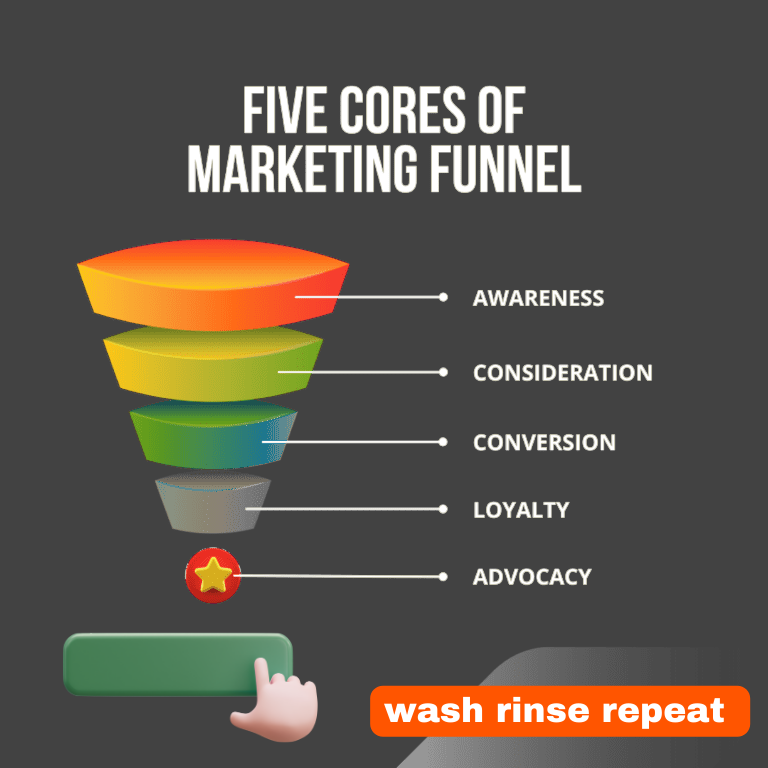
The landing page is the dedicated gateway through which your traffic enters your funnel. Its primary purpose is to capture visitor information (usually an email address) in exchange for a valuable incentive. This is where your potential customer transitions from a casual browser to a nurtured lead.
Crafting a High-Converting Headline
The headline is the first impression and arguably the most crucial element on your landing page. It must immediately grab attention, clearly communicate the value proposition, and entice the visitor to read more. Effective headlines are concise, benefit-oriented, and often incorporate a sense of urgency or curiosity. Examples include “Unlock the Secret to X,” “Transform Your Y in Z Days,” or “Get Your Free Guide to [Desired Outcome].”
Designing a Compelling Offer (Lead Magnet)
The lead magnet is the incentive you provide in exchange for an email address. It must be highly valuable and directly relevant to your niche and the problem your target audience is trying to solve. Common lead magnet formats include:
- Ebooks/Guides: Comprehensive resources offering in-depth information.
- Checklists/Templates: Practical tools that simplify a process.
- Webinars/Video Courses: In-depth training sessions.
- Free Trials/Demos: Providing a taste of a product or service.
- Exclusive Discounts/Coupons: Immediate monetary incentive.
- Quizzes/Assessments: Interactive tools that provide personalized results.
The lead magnet should genuinely solve a small problem or provide significant value upfront, building trust and demonstrating your expertise.
Optimizing for User Experience (UX) and Conversion Rate (CRO)
A well-designed landing page prioritizes a seamless user experience and aims to maximize conversion rates.
- Clear Call-to-Action (CTA): The CTA button should be prominent, use action-oriented language (e.g., “Download Now,” “Get Instant Access”), and stand out visually.
- Minimal Distractions: Remove superfluous navigation menus, external links, and unnecessary information that could divert attention from the primary goal of the page.
- Social Proof: Incorporate testimonials, reviews, trust badges, and social media follower counts to build credibility and alleviate skepticism.
- Visual Appeal: Use high-quality images, videos, and a clean, aesthetically pleasing layout. Visuals should support the message and enhance understanding.
- Mobile Responsiveness: Ensure the landing page is optimized for various devices (desktops, tablets, smartphones) as a significant portion of traffic originates from mobile.
- Concise Copy: Use clear, benefit-driven language. Avoid jargon and focus on how the lead magnet solves the visitor’s problem. Use bullet points and short paragraphs for readability.
- A/B Testing: Continuously test different elements of your landing page (headlines, CTAs, images, copy) to identify what resonates best with your audience and improves conversion rates.
Step 4: Email Sequence Development – Nurturing Your Leads

Once a visitor has opted in by providing their email address, they enter the lead nurturing phase. An automated email sequence is a critical component of guiding them through the funnel, building rapport, and ultimately presenting your affiliate offer.
Crafting Engaging Welcome Emails
The first email in your sequence is crucial for setting the tone and making a positive initial impression. It should immediately deliver the promised lead magnet, thank the subscriber for opting in, and briefly reintroduce yourself and your brand. Consider posing a question to encourage engagement and segmenting your audience based on their initial responses. The welcome email is a handshake; keep it warm and helpful.
Educating and Providing Value
Subsequent emails in the sequence should focus on providing continued value and educating your subscribers about the problems they face and the potential solutions available. This builds trust and positions you as an authority.
- Share relevant content: Link to your blog posts, videos, or other resources that further address their niche interests.
- Offer helpful tips and insights: Provide actionable advice that demonstrates your expertise.
- Tell stories: Share personal anecdotes or case studies that resonate with your audience’s challenges.
- Address common objections: Proactively tackle concerns or misconceptions related to your niche or potential solutions.
The goal is to nurture the relationship, not to aggressively sell. Think of yourself as a trusted advisor, guiding them towards an informed decision.
Strategically Introducing Affiliate Offers
The introduction of affiliate offers should be gradual and contextual. After several value-driven emails, you can subtly begin to introduce products or services that directly align with the problems you’ve been discussing.
- Problem-solution framework: Frame the affiliate product as the optimal solution to a specific problem your audience is experiencing.
- Personal testimonials: Share your own positive experiences with the product to add authenticity.
- Benefits-driven language: Focus on the tangible outcomes and advantages the product offers, rather than just its features.
- Case studies: Present real-world examples of how the product has helped others.
- Clear call-to-action: Guide them directly to the affiliate sales page when the time is right.
Avoid overwhelming subscribers with constant sales pitches. Maintain a higher ratio of value-based content to promotional content. Segment your email list to send highly targeted offers based on subscriber behavior and interests.
Using Email Automation and Personalization
Email marketing platforms (e.g., ActiveCampaign, ConvertKit, Mailchimp) are essential for automating your email sequences. This allows you to set up triggers based on subscriber actions (e.g., opening an email, clicking a link) and automatically send subsequent emails. Personalization, such as addressing subscribers by name, can significantly increase engagement. Dynamic content, which changes based on subscriber data, can further enhance relevance. Automated segmentation based on clicks or engagement can tailor follow-up sequences more precisely.
If you’re looking to enhance your affiliate sales funnel, you might find it beneficial to explore how to effectively transform your knowledge into a digital product. This approach can complement your funnel strategy by providing valuable resources to your audience. For more insights on this topic, check out the article on building a digital product that leverages your expertise and can drive more traffic to your affiliate offers.
Step 5: Thank You Page and OTO/Upsell – Maximizing Value
The “thank you” page is often an overlooked opportunity within the affiliate sales funnel. Beyond simply confirming an email subscription, it serves as a strategic point to present additional value and potentially generate immediate affiliate commissions through an One-Time Offer (OTO) or upsell.
Expressing Gratitude and Delivering the Lead Magnet
The primary function of the thank you page is to confirm that the lead magnet they signed up for is on its way to their inbox or to provide a direct download link. A sincere thank you reinforces the positive interaction and builds initial goodwill. Reiterate the value of what they just received and set expectations for future communication (e.g., “Check your inbox for our exclusive guide and look out for more valuable tips coming your way!”).
Strategic One-Time Offers (OTOs) and Upsells
This is where you leverage the immediate engagement from the subscription to present a highly relevant, often discounted, affiliate offer.
- Relevance is Key: The OTO or upsell must be directly related to the lead magnet they just acquired. For example, if the lead magnet was “5 Tips for Beginner Guitarists,” the OTO could be “Advanced Chords Ebook” or a discounted trial of an online guitar lesson platform.
- Time Sensitivity/Scarcity: Creating a sense of urgency (e.g., “This offer expires in X minutes,” “Limited number of spots available”) can significantly increase conversion rates for OTOs.
- Clear Value Proposition: Clearly articulate the benefits of the OTO and explain why it’s a valuable next step after the lead magnet. Why is this offer superior or more comprehensive than the free content?
- Minimal Distractions: Similar to the landing page, keep the thank you/OTO page focused. Avoid unnecessary links or elements that dilute the message or draw attention away from the offer.
- “No Thanks” Option: Always provide an easy way for visitors to respectfully decline the OTO and proceed with just their lead magnet delivery. Forcing a purchase can lead to negative sentiment.
The goal here is to capitalize on the momentum of their initial commitment. They are already demonstrating interest in your niche, making them more receptive to a related, compelling offer.
If you’re looking to enhance your understanding of affiliate marketing, you might find it helpful to explore a related article that discusses effective strategies for optimizing your sales funnel. This resource can provide additional insights and tips that complement the steps outlined in “How to Build an Affiliate Sales Funnel in 6 Easy Steps.” For more information, you can check out the article by visiting this link.
Step 6: Analytics and Optimization – The Engine of Growth
A robust affiliate sales funnel is not a static construct; it is a dynamic system that requires continuous monitoring, analysis, and refinement. This iterative process of optimization is what drives sustained growth and profitability.
Tracking Key Performance Indicators (KPIs)
To effectively optimize, you must first measure. Establish clear KPIs to monitor the health and effectiveness of each stage of your funnel.
- Traffic Sources: Which channels are sending the most visitors, and what is the quality of that traffic (bounce rate, time on page)?
- Landing Page Conversion Rate: What percentage of visitors are opting in?
- Email Open Rates: How many subscribers are opening your emails?
- Email Click-Through Rates (CTR): What percentage of openers are clicking on links within your emails?
- Affiliate Offer Click-Through Rate: How many people are clicking on your affiliate links to visit the merchant’s sales page?
- Affiliate Sales Conversion Rate: Of those who click your affiliate link, what percentage make a purchase? (This data often comes from your affiliate network dashboard).
- Earnings Per Click (EPC): How much revenue do you earn for each click on your affiliate links?
- Return on Ad Spend (ROAS): If using paid traffic, how much revenue are you generating for every dollar spent on advertising?
Utilize tools like Google Analytics, your email marketing platform’s analytics, and your affiliate network’s reporting dashboards to gather this data.
Identifying Bottlenecks and Areas for Improvement
Analyzing your KPIs allows you to pinpoint where your funnel is underperforming. Each drop-off point represents a potential “leak” that can be plugged.
- Low Traffic: Indicates a need to refine your traffic generation strategies (SEO, ad targeting, content distribution).
- Low Landing Page Conversion Rate: Suggests issues with your headline, lead magnet, copy, design, or CTA.
- Low Email Open/Click Rates: Could point to weak subject lines, irrelevant content, poor list segmentation, or sending frequency issues.
- Low Affiliate Sales Conversion Rate: Might indicate problems with your pre-sell content, the relevance of the offer, or even issues with the merchant’s sales page (which you can’t directly control but can choose to stop promoting).
- High Refund Rates: Suggests a mismatch between your promotion and the actual product, potentially damaging your reputation.
Implementing A/B Testing and Iterative Refinement
Optimization is an ongoing cycle of hypothesis, testing, and analysis.
- Formulate Hypotheses: Based on your KPI analysis, hypothesize why a particular stage is underperforming (e.g., “I believe changing the landing page headline will increase opt-in rates”).
- Implement A/B Tests: Use testing tools (built into landing page builders, email platforms, or dedicated CRO tools) to create two versions of an element (e.g., two different headlines, two different CTA colors) and direct traffic to each version equally.
- Analyze Results: Statistically determine which version performed better. Focus on conversions, not just clicks.
- Implement Winning Changes: Once a clear winner emerges, make that the default.
- Repeat the Process: Continuously test all elements of your funnel – headlines, copy, images, CTAs, email subject lines, email body content, lead magnets, OTOs, etc. Even marginal improvements at each stage can lead to substantial gains across the entire funnel.
This systematic approach to analytics and optimization transforms your affiliate sales funnel from a static pipeline into a high-performance machine, continuously evolving to maximize conversions and generate greater affiliate revenue.
FAQs
What is an affiliate sales funnel?
An affiliate sales funnel is a marketing strategy that guides potential customers through a series of steps, from initial awareness to making a purchase through an affiliate link. It is designed to optimize conversions and increase affiliate commissions.
Why is building an affiliate sales funnel important?
Building an affiliate sales funnel is important because it helps systematically attract, engage, and convert leads into buyers. It improves the efficiency of affiliate marketing efforts by nurturing prospects and increasing the likelihood of sales.
What are the basic steps to create an affiliate sales funnel?
The basic steps to create an affiliate sales funnel typically include: 1) Identifying your target audience, 2) Creating a lead magnet or offer, 3) Building a landing page, 4) Setting up an email autoresponder, 5) Promoting affiliate products, and 6) Optimizing the funnel for better conversions.
Do I need technical skills to build an affiliate sales funnel?
While some technical skills can be helpful, many tools and platforms offer user-friendly drag-and-drop builders and templates that make it easy to create an affiliate sales funnel without advanced technical knowledge.
How can I track the performance of my affiliate sales funnel?
You can track the performance of your affiliate sales funnel using analytics tools provided by your email marketing service, landing page builder, or affiliate network. These tools help monitor metrics like click-through rates, conversion rates, and sales to optimize your funnel.