High Converting Video Sales Letters VSLs: Create & Optimize Techniques

Main Points
- By using VSL Studio, you can create video sales letters that are ready to make money in minutes. This is all done with the help of AI-powered structure and optimization.
- Video Sales Letters have been proven to be more effective than traditional marketing methods. They have a conversion rate that is 30-50% higher than text-only sales pages.
- The best VSLs combine psychological triggers, compelling storytelling, and strategic CTAs. This guides viewers on an emotional journey to purchase.
- Effective VSLs don’t require expensive equipment. Focused messaging and proper structure are far more important than production value.
- By testing and optimizing strategically, you can double or triple your VSL conversion rates. This is done by analyzing the right metrics.
In today’s digital world, it’s hard to get attention. One marketing tool that has been proven to be effective is Video Sales Letters (VSLs). These powerful tools can persuade and engage people to buy at remarkable rates. They combine the persuasive power of traditional sales letters with the engagement of video. VSL Studio is changing the way marketers create these high-performing videos. Now, anyone can make profit-ready VSLs in minutes instead of days or weeks.
Numbers don’t lie when it comes to the power of Video Sales Letters (VSLs). Brands that use carefully constructed VSLs often see a 30-50% increase in conversions compared to text-only versions. This huge gap in performance is due to the fact that VSLs engage more than one sense at the same time, providing a more immersive and convincing experience that static content just can’t compete with.
Why Video Sales Letters Are More Effective Than Traditional Marketing
The marketing world has changed dramatically. People’s attention spans are getting shorter and shorter, while the competition for their attention is getting more and more intense. In this climate, VSLs have become a force to be reckoned with in terms of conversion, because they fit perfectly with the way people like to consume information and make purchasing decisions today.
Classic marketing tools such as sales pages filled with text, brochures, and even unchanging images put a lot of pressure on potential customers. They need to read, understand, envision, and form an emotional bond with your product completely by themselves. On the other hand, VSLs take on this burden for the viewer, crafting a directed journey that smoothly guides them to conversion.
Why 89% of Consumers Prefer Video Content
Recent marketing studies show that 89% of consumers claim videos help them make buying decisions. This is because video content is processed 60,000 times faster in our brains than text. When your prospects watch a VSL, they’re absorbing your sales message more effectively and with less resistance than any other format. The human brain is wired to prioritize visual information, making VSLs the natural evolution of sales messaging in a digital world. This visual processing advantage means your main selling points register more quickly and are remembered longer than the same information presented in text form. If you’re looking to enhance your digital strategy, consider exploring database reactivation strategies for a comprehensive approach.
Building Trust and Emotional Connection Through VSLs
Effective marketing is not just about presenting logical arguments. It’s about creating an emotional connection. This is where VSLs really shine. They use storytelling techniques that text alone can’t achieve. VSLs use visuals, music, voice tonality, and pacing to create an immersive experience that breaks down buyer resistance.
Watching product demonstrations, customer testimonials, and emotional transformation stories within a VSL can help viewers build a deeper trust in your brand and your claims. This trust can help speed up the buyer’s journey and overcome the natural skepticism that often comes up during sales interactions. VSLs also trigger emotional responses that can influence purchasing decisions, by engaging both the logical and emotional parts of the brain at the same time.
Conversion Rates of 30-50% More Than Text-Only Pages
Video Sales Letters (VSLs) don’t just have a theoretical conversion advantage, it’s proven in marketing split tests across many industries. Regular text-based sales pages might only convert at 1-2% for cold traffic, but a well-optimized VSL can regularly achieve a 3-5% conversion rate with the same audience. For warm traffic, these numbers can go even higher.
“Once we put our first professionally crafted VSL into action, our conversion rate went up by 43% even though our traffic quality stayed the same. The return on investment was both immediate and significant.” – Marketing Director at a top SaaS company
The reason VSLs perform so well is that they’re great at the three most important parts of conversion: getting attention, keeping people interested, and getting them to act. They get attention through movement and sound, keep people interested by telling a story, and get people to act by using carefully planned persuasion techniques that build up over the course of the presentation. For more insights, check out our best video sales letter software guide.
The Ideal VSL Script Formula
At the heart of any high-performing VSL is a well-planned script. Regardless of how well the video is produced, it will not perform well without a script that has been optimized to appeal to the viewer’s psychology. The most successful VSL scripts use tried-and-true persuasion frameworks that take the viewer on a thoughtfully designed emotional journey.
Quick Hook Methods That Draw In Viewers
Viewers decide in about five seconds whether they will keep watching your video or move on to something else. You must use this crucial opening period to disrupt the viewer’s thought process and pique their interest right away. The most successful VSL hooks use a strong image and a statement that grabs attention, addressing the viewer’s main problem or wish. For those interested in enhancing their video sales letters, here are some top picks and reviews of the best VSL software.
Pattern interruptions can serve as effective hooks. These unexpected elements, such as controversial statements, surprising statistics, or unusual visuals, can cut through the mental filters that viewers have developed from being exposed to thousands of marketing messages. Questions that pique curiosity or make bold promises can be particularly effective. For example, “What if you could double your conversion rate in the next 30 days without increasing your ad spend?”
Your hook should be designed to speak directly to your ideal customer and exclude everyone else. This kind of selective targeting tells your ideal customer “this message is for you” and gets rid of people who aren’t a good fit right away. Keep in mind, you’re not trying to get as many people as possible to watch your VSL – you’re trying to get as many of the right people to watch your VSL and take action.
Problem-Agitation-Solution Approach
Most successful VSLs use the Problem-Agitation-Solution (PAS) approach. This tried-and-true method of persuasion starts by pinpointing a problem your audience has, then amplifies or “agitates” the emotional effect of that problem before offering your product as the perfect solution. The trick to using this method effectively is to spend enough time on the problem and agitation stages before you unveil your solution.
Make sure your problem statement is highly specific and relatable. It should make your viewers think, “That’s exactly what I’m going through!” Instead of using general statements, use detailed scenarios that create a sense of recognition: “You’ve spent thousands on ads that bring traffic but barely convert. You’ve tried changing headlines, images, and CTAs, but your conversion rate remains stuck at 1.2%.” The more accurately you can identify your prospect’s pain, the more credibility you establish.
As you move into the agitation phase, focus on the emotional and financial ramifications of not addressing the problem. Create a clear image of what the future could look like if things stay as they are, making sure to highlight both the immediate annoyances and the potential long-term effects. Once you’ve fully fleshed out these first two phases, you can present your solution as the ideal solution they’ve been looking for.
Creating a Sense of Urgency to Prompt Action
Even if viewers are convinced by your message, they may not take action without a sense of urgency. This combats the human instinct to put things off by providing compelling reasons to act immediately. The most effective VSLs build urgency throughout the presentation, ending with strong time-sensitive incentives near the call to action.
Urgency based on scarcity is a technique that emphasizes the limited availability of your offer. This can be achieved through quantity limitations (“only 50 spots available”), time constraints (“this price expires Friday at midnight”), or exclusive bonuses that won’t be available later. The key here is that these elements of urgency must be genuine. False scarcity can damage trust and ultimately lead to a decrease in conversions. To maximize the impact, visually reinforce the urgency with countdown timers, limited inventory indicators, or real-time enrollment counters.
Creating CTAs That Work
The final part of your VSL – the call to action – needs to be very clear and leave no room for doubt or delay. Good CTAs are direct, focused on the action, and highlight the next immediate step rather than the final commitment. So instead of “Buy now” or “Sign up,” think about using phrases like “Click the button below to reserve your place” or “Enter your email to start your journey.”
Maximize your conversion rate by repeating your call to action (CTA) several times using slightly different wording, and make sure it’s both spoken and shown visually. Studies have found that three strategically placed CTAs often perform better than either fewer or more frequent requests. Schedule your main CTA to appear right after your most powerful emotional trigger or most persuasive benefit, when viewer commitment is likely to be at its highest.
Key Elements of VSL Production
While the script and structure are the backbone of high-converting VSLs, the way they are produced can greatly affect how your message is perceived. Fortunately, with today’s technology, you don’t need a big budget or technical skills to produce high-quality videos. VSL Studio has made this process more accessible by automatically creating visuals, animations, and professional voiceovers from your script, so you don’t have to worry about complicated production processes.
What Equipment Do You Really Need?
Contrary to popular belief, you don’t need to spend a lot of money on equipment to create a high-converting VSL. In fact, many of the best VSLs are just simple slideshow presentations with voiceover, not full-scale video productions. If you’re going to be on camera, you’ll need good lighting (you can use natural light from a window or basic LED panels), clear audio (a lavalier microphone that costs between $50 and $100 will do), and a steady camera (even a recent model smartphone can give you great quality).
When it comes to slideshow-style VSLs, you only need a few things: presentation software like PowerPoint or Keynote, a well-written script, and either your own voice recording or a professional voiceover. Tools like VSL Studio make this process even easier by automatically creating both the visuals and professional voiceovers based on your script. That means you don’t have to worry about equipment at all.
Designing Visually Appealing VSLs for the Non-Designer
When creating your VSLs, remember to keep your visuals simple and clean. They should enhance your message, not detract from it. Stick to one main point per slide or scene and keep text to a minimum – no more than a line or two per visual. Use color combinations that are high in contrast for your text (dark text on light backgrounds or light text on dark backgrounds) and maintain the same branding throughout.
Make sure that your movements and transitions have a purpose and are not just for decoration. You can use animation to highlight important points or to gradually reveal information as you talk about it. When you choose images, real photos are better than stock photos, especially when you’re showing results, changes, or testimonials. Keep in mind that it’s more important for visuals to be clear than complicated – if you’re not sure, make it simpler. For more tips on creating effective visual content, check out this guide on best video sales letter software.
How to Improve Your Audio Quality for a More Professional Sound
Believe it or not, audio quality can be even more important than video quality in shaping how viewers perceive you. Poor audio quality can lead to a subconscious feeling of distrust, while high-quality, professional-sounding audio can make you seem more authoritative. To achieve this, make sure to record in a quiet environment with lots of soft surfaces around (think blankets, carpets, or couch cushions) to reduce echo. Your microphone should be positioned 6-8 inches from your mouth and slightly off to the side to reduce plosives (those popping ‘p’ and ‘b’ sounds).
When recording yourself, aim to speak about 10-15% slower than your normal conversational speed, and with a little more expression. Having some emotional range in your voice can significantly boost engagement compared to a monotone delivery. If you’re not comfortable with using your own voice, VSL Studio has professional male and female voiceovers that can be instantly generated from your script. This can give your video a polished feel without the expense of hiring a voice actor.
The Hidden Structure of High-Converting VSLs
What makes a video sales letter (VSL) effective? It’s not just about what you say or how you say it—it’s about the underlying structure that guides your viewers from start to finish. This invisible framework is what top marketers use to craft high-converting VSLs. They know that different offers require different structures, and that viewer psychology shifts as your video progresses.
The Best Length for Various Product Types
The perfect length for a VSL depends on the price point of your product, how complex it is, and how familiar your audience is with what you’re offering. If you’re selling a simple product for a low price ($50-100), you’re likely to see the best conversion rates with a shorter VSL (3-7 minutes) that quickly gets to the point and encourages viewers to take action. For mid-range products ($100-500), you’ll typically need a 7-15 minute VSL to make sure viewers see the value in what you’re offering and to address any initial objections they might have.
High-value products (over $500) usually require longer presentations (15-30 minutes) to address concerns, build trust, and justify the cost. The important thing isn’t just length, but enough time to get viewers from knowing about your product to buying it. VSL Studio can recommend the best structure based on what you’re selling, so you don’t have to guess.
Engaging Storytelling Techniques
Top-performing VSLs use storytelling patterns that keep viewers engaged from beginning to end. The hero’s journey narrative structure is especially effective. It positions the viewer as the hero who faces obstacles that your product can help them conquer. This strategy creates emotional investment because viewers can see themselves in the story. Personal transformation stories are more effective than presentations based solely on features. They create both an emotional connection and proof of concept at the same time.
Introducing interesting ideas but waiting to fully explain them, a strategy known as open loops, creates a psychological pull that keeps people watching. By introducing several of these curiosity gaps early in your VSL and answering them throughout the presentation, you create a strong urge to finish that keeps viewers involved. Top marketers often introduce their most persuasive case study or result early on but wait to explain how they achieved it until after they’ve explained their main methodology.
Throughout longer VSLs, it’s a good idea to strategically place pattern interrupts to recapture attention at points where engagement usually drops. These can include format changes (like switching from slides to talking head), unexpected statements, or direct questions that get the viewer thinking. VSL Studio can automatically identify the best points for these attention resets based on an analysis of your script, helping to keep your viewer’s attention throughout your entire presentation.
Positioning Testimonials for the Greatest Effect
Customer testimonials and case studies, or social proof, act as a form of credibility in your VSL. However, where you place them can significantly affect their effectiveness. Instead of bunching all the testimonials together, place them strategically right after you make important claims or bring up potential objections. This way, you are reinforcing your points at the exact moment that viewers might start to have doubts. For more insights on making video sales letters effective, check out this article on how to make video sales letters the star of your sales strategy.
Start with testimonials that show average results from typical users. Then, gradually introduce testimonials with more impressive results. This builds a ladder of believability, making the more extraordinary results more believable by first establishing a foundation of typical results. For high-ticket items, include testimonials that specifically address the price, positioning your product as an investment, not an expense.
The VSL Creation Process, Step by Step
When you follow a step-by-step process, creating high-converting VSLs becomes surprisingly simple. Traditional VSL creation might take weeks, but tools like VSL Studio can cut that time down to minutes by automating the most time-consuming parts of the process. No matter whether you’re creating your VSL manually or using a tool, following these key steps will ensure your video has the highest possible conversion potential.
1. Diving Deep into Customer Research
The first step to creating a great VSL is to conduct thorough customer research. Before you put pen to paper, you need to know your audience inside and out. Understand their language, what problems they’re facing, and what they hope to achieve. Look at customer support tickets, listen to sales call recordings, and read competitor reviews to find common themes and emotional triggers. Take note of the exact phrases customers use to talk about their issues and goals – you can use these to connect with your audience in your script. For more insights, explore how video sales letters can become the star of your sales strategy.
Develop an in-depth customer profile that includes not only demographics but also psychographics: their fears, frustrations, wants, and objections. The most convincing VSLs address these factors directly, showing a deep understanding that instantly creates a connection. This research phase usually takes 3-5 hours but significantly increases the potential for conversion by ensuring that your message resonates on a deep level.
2. Developing and Reviewing the Script
The script is the backbone of your VSL. Start by sketching out the primary persuasion structure (usually, PAS or AIDA are the most effective), then build out each section using the insights from your research. Use language that sounds like a conversation and that reflects the way your audience talks, but make sure to keep a clear structure that leads them through your persuasion sequence. In your first draft, aim for completeness rather than brevity – include all possible points before you start to refine. If you’re looking for tools to assist in this process, consider exploring video sales letter software to enhance your VSL creation.
After you’ve finished your first draft of the script, go back and review it for its persuasive ability. Ask yourself if each part does the following: Addresses known problems? Creates an emotional connection? Overcomes potential objections? Clearly shows the value? VSL Studio uses artificial intelligence to speed up this process by taking your product details and automatically creating optimized scripts based on successful conversion models.
3. Creating a Storyboard
Turn your script into a visual plan that pairs the right images with the most important messages. Even the simplest storyboards can make the production process much more efficient by giving you a clear guide for your entire VSL. For each main point in your script, figure out which visuals will best support your message, whether that’s slides, text on the screen, demonstrations, or footage of the speaker.
Concentrate on creating a variety of visuals that keep the viewer engaged, but make sure that each visual aids your main message instead of diverting attention away from it. For VSLs that use slides, plan the timing of your animations carefully so that you’re revealing information as you talk about it, rather than showing everything all at once. VSL Studio will automatically create visually appealing sequences of slides based on the content of your script, saving you from having to do any manual design work and still giving you a professional result.
4. Production and Editing
Once your script and storyboard are ready to go, the production process is pretty simple. For slide-based VSLs, you’ll want to create clean, high-contrast slides with as little text as possible and supporting images. It’s a good idea to record your voiceover in sections to make the editing process easier, and try to keep your energy levels consistent throughout the recording. If you’re including on-camera segments, make sure to film in an area free of distractions and with consistent lighting. For more insights, check out how to make video sales letters the star of your sales strategy.
When editing, it’s important to maintain a steady pace that keeps viewers interested without glossing over key information. Subtle background music can help set the mood without distracting from your message. Additionally, strategic use of text overlays can help reinforce important points and cater to various learning styles. VSL Studio takes care of this entire production phase for you, creating full videos with professional voiceovers, music, animations, and visuals in just minutes instead of days.
5. Experimentation and Enhancement
Don’t expect your VSL to hit its maximum conversion rate right out of the gate. You should plan to experiment and enhance it systematically to boost its performance over time. Start off with a small test audience to get preliminary feedback before you ramp up to larger campaigns. Gather both hard data (like how long people watch the video, the conversion rate, and where people click) and soft feedback to find ways to make it better. For more insights, explore our best video sales letter software to enhance your VSL strategies.
Experiment with different versions of your VSL, changing only one thing at a time. This could be the hook, the way the offer is presented, the order of the testimonials, or the call to action. By changing only one thing at a time, you can see exactly what is having an impact on your conversion rate. The best marketers usually see an improvement in their conversion rate of between 30% and 50% when they consistently test and refine their VSLs.
How to Improve Your VSL Conversion Rates
Creating your first VSL is just the start. To get the best conversion rates, you need to keep refining your VSL based on how viewers react to it and the data you collect. By knowing what to test and how to understand the results, you can steadily improve your VSL’s performance. In fact, you might even be able to double or triple your original conversion rates.
Crucial A/B Testing Factors
Carrying out A/B testing in a strategic manner allows you to see how specific elements of your VSL affect your overall conversion rate. Start by testing elements that have a high impact, such as different hooks, story structures, the way you present your offer, and calls to action. Make sure that there is only one element that changes between versions in your controlled variations, then distribute your traffic equally between the variations to see which one gives you better results.
Make sure to have a big enough sample size (usually over 100 viewers for each variation) to make sure your results are statistically significant before you make any final decisions. Even small improvements can add up over time, so you should see optimization as something you do continuously, not just once. The VSLs that convert the most often come from testing and refining your video at least five times, with each new version doing better than the last when it comes to converting viewers.
Understanding Audience Retention
By studying your VSL’s retention graph, you can gain a deeper understanding of how engaged your viewers are throughout your presentation. Most video platforms offer detailed retention data, so you can see exactly where your viewers are losing interest or skipping parts of your video. Any major drop-off points are a sign that certain sections of your video may be too lengthy, confusing, or simply not engaging enough.
Combat retention issues by strengthening sections with high drop-off rates, inserting pattern interrupts before normal disengagement points, or revamping your content flow to provide high-interest information at strategic intervals. Keep in mind that viewer attention isn’t constant – it naturally decreases over time unless purposely re-engaged through content variation and strategic engagement techniques.
Understanding Viewer Behavior with Heat Maps
“We discovered through heat map analysis that people were clicking on our product demo section to learn more. When we made that section interactive, we saw a 42% increase in average view duration and a 31% increase in conversions.” – Conversion Specialist at a D2C brand
Heat map analysis shows you exactly where viewers are clicking, moving their cursor, or pausing while watching your VSL. This data can help you identify engagement patterns and viewer intentions that might not be obvious from other metrics. If there are areas with lots of cursor activity but no clickable elements, this could be a sign that viewers are interested and would appreciate more information.
These insights can be used to improve your VSL by incorporating interactive components at points of high interest, elaborating on subjects that produce a lot of cursor activity, or moving crucial messages to areas with a higher concentration of attention. Video platforms with sophisticated analytics supply this information automatically, assisting in the identification of specific optimization opportunities based on real viewer behavior.
Why Mobile Optimization is a Must
Considering that 65-75% of video content is now viewed on mobile devices, it’s no longer a choice to optimize your VSL for smaller screens. Mobile viewers have different viewing habits and attention spans compared to desktop users. Make sure all text is clearly visible on small screens by using larger fonts and high-contrast colors. Keep the on-screen text short, ideally less than 5 words per line for the best readability.
Think about making dedicated mobile versions of your VSL with more frequent visual changes to keep attention in potentially distracting environments. Vertical video formats (9:16 aspect ratio) usually perform better than landscape formats on mobile by creating a more immersive viewing experience without requiring device rotation. VSL Studio automatically optimizes output for both desktop and mobile viewing, ensuring optimal performance across all devices.
Next-Level VSL Tactics for 2025
With the ongoing development of technology and the changing habits of consumers, VSL tactics need to evolve to stay relevant. Marketers who are ahead of the curve are already using cutting-edge methods that take advantage of new technologies and shifts in viewing habits. These next-level techniques can give a substantial edge to those who adopt them early. For more insights, explore how video sales letters are becoming the star of sales strategies.
Personalization Powered by AI
Dynamic personalization that customizes content for each viewer is the future of VSLs. Platforms that are powered by AI can now adjust VSL content on the fly according to the viewer’s traits, behavior, and past interactions. This personalization happens in various ways: emphasizing certain content, choosing examples, showing testimonials, and even the components of the offer.
One way to add a personal touch is by creating separate VSL components that can be put together based on the data of the viewer. Just adding basic personalization that addresses challenges specific to the industry or references geographical location can increase conversion rates by 15-20%. VSL Studio has advanced personalization features that allow for the creation of dynamic content paths that adapt to viewer responses without requiring multiple complete versions.
Interactive Features That Boost Engagement
Interactive VSLs change passive watchers into active users, significantly boosting both engagement and conversion rates. Clever interactive features could include clickable hotspots that give more information, guided product configurators, or self-assessment tools that help viewers tailor their experience. Every interaction gives useful data while creating a stronger commitment to the presentation. For more insights, explore our guide on best video sales letter software to enhance your VSL strategy.
Interactive elements that tackle possible objections or inquiries directly within the VSL flow, rather than requiring viewers to look for answers elsewhere, are the most effective. This strategy not only simplifies the conversion process but also provides valuable information about which aspects of your offer are most appealing or worrisome. When used correctly, interactive elements can boost VSL completion rates by 25-40% and provide unparalleled insight into viewer decision-making processes.
Adapting to the Vertical Format for Mobile Viewers
With the increasing prevalence of mobile viewing, vertical video formats (9:16 aspect ratio) are emerging as the new norm for high-performing VSLs. Vertical formats offer a more engaging experience by filling the entire mobile screen without the need to rotate the device. This format benefit results in 30-40% greater completion rates than landscape videos viewed on mobile devices.
| Video Format | Completion Rate (Mobile) | Average View Time | Relative Conversion Rate |
|---|---|---|---|
| Traditional Landscape (16:9) | 42% | 3:24 | Baseline |
| Square Format (1:1) | 57% | 4:12 | +18% |
| Vertical Format (9:16) | 68% | 5:37 | +32% |
Optimize vertical VSLs by embracing the format’s strengths rather than simply cropping horizontal content. Use the additional vertical space to position complementary elements simultaneously – such as speaker video with supporting text below, or product demonstrations with benefit statements. This spatial advantage allows viewers to process multiple information types without requiring scene changes, creating a more cohesive and efficient presentation.
Instead of using a one-size-fits-all approach, think about making versions of your VSL that are specific to each format. While this does require more production effort, the increases in conversion usually make the investment worthwhile. VSL Studio makes this process easier by automatically creating versions that are optimized for each format from a single input, guaranteeing the best viewing experience no matter what device is being used.
Success Stories of VSLs in the Real World
The real test of the effectiveness of VSLs is the results they produce in the real world across various industries and types of offers. The case studies below show the significant effect well-planned video sales letters can have on conversion rates and generating revenue. They offer both inspiration and practical tips for your own VSL strategy.
Case Study: A 12-Minute VSL That Brought in $2.1M in Sales
A company that sells digital education courses priced at $997 was having trouble with their text-based sales pages. Despite getting high-quality traffic, their conversion rate was only 0.8%. They decided to try a 12-minute VSL that used the Problem-Agitation-Solution framework and included a lot of social proof and objection handling. After they started using the VSL, their conversion rate went up to 3.4% – that’s a 425% increase. This new sales process brought in an extra $2.1M in revenue in the first 90 days. And they didn’t have to change where their traffic was coming from or how much they were getting.
Before and After: Conversion Rate Improvements
A SaaS company offering marketing automation tools at $297/month replaced their feature-focused homepage video with a benefits-driven VSL that emphasized specific ROI examples and customer success stories. Their trial signup rate increased from 1.7% to 4.2%, while trial-to-paid conversion improved by 28%, creating a compound conversion improvement that nearly tripled monthly recurring revenue growth. The most significant change was restructuring their presentation to address emotional drivers before logical features, creating desire before presenting solution details.
A company that sells high-quality nutritional supplements (with an initial offer of $79) decided to test a VSL against their current product detail page. The VSL version, which highlighted the founder’s personal transformation story and unique formulation process, outperformed the traditional product page by 215%. The most significant finding was that the average order value increased by 47% due to improved upsell acceptance. This shows that well-designed VSLs not only improve initial conversion but also increase overall customer value. For more insights on enhancing customer engagement, explore these database reactivation strategies for email marketing.
Launching Your VSL
Creating a high-converting VSL is just the beginning. You also need a plan for how to use it. You need to make sure it gets in front of the right people, under the right circumstances. And you need to collect data so you can keep improving it over time. This systematic approach to launching your VSL will help you get the best possible results, both now and in the future.
Choosing the Right Traffic Source
Each traffic source will have a different interaction with your VSL. For example, cold traffic from sources like Facebook and YouTube generally prefer shorter VSLs (between 5-10 minutes) that have more engaging openings and are more entertaining. These viewers are not as committed initially and need stronger hooks to keep them engaged. When creating VSLs for cold traffic, you should put the most important credibility elements and unique value propositions at the beginning before getting into the more detailed content.
For those who have been exposed to your brand before, through email lists, retargeting campaigns, or content marketing channels, a longer, more detailed VSL (10-20+ minutes) that provides comprehensive information is more likely to be effective. These pre-qualified viewers typically have higher intent and are willing to invest more time before making a decision. For this type of traffic, it’s more important to focus on depth, handling objections, and detailed transformation stories than it is to have a flashy opening.
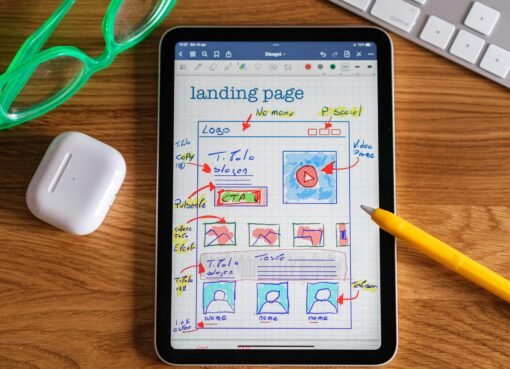
Embedding on Your Landing Page
- Ensure your VSL is prominently displayed with minimal distractions
- Use a powerful headline that reinforces the video’s main promise
- Include a play button overlay that focuses on benefits (“Click to Discover How…”)
- Offer other ways to consume the content (transcript or audio)
- Position your primary CTA directly below the video
The space around your VSL can significantly affect its performance. Build dedicated landing pages that draw viewer attention to your video instead of embedding VSLs within pages that are content-heavy. Minimize or get rid of navigation options that could distract before conversion. The most successful VSL pages keep a singular focus on the video content and the conversion action that follows.
Think about adding scroll-triggered actions that stop your VSL if viewers scroll past it and then start again when they return to the video section. This avoids the annoying experience of audio still playing when the video is no longer in view, which enhances the overall user experience and completion rates. Likewise, exit-intent prompts can remind visitors who are leaving to finish the video, thereby recapturing potential conversions.
For those who prefer to consume content at their own pace, providing alternative formats such as transcripts or downloadable audio versions can still capture conversions from those who will not watch the entire video. While these alternative formats typically convert at lower rates than video completion, they still outperform not having a conversion option for non-video viewers. For more insights, check out the best video sales letter software to enhance your content strategy.
Setting Up Tracking for Precise Metrics
Set up a complete tracking system that measures more than just how many people are watching your videos and how many are converting. Advanced analytics for your VSL should keep track of engagement patterns, points where people stop watching, interactions with elements within the video, and what viewers do after watching the video. This detailed data is what you need to make meaningful improvements to your VSL. At the very least, you should be tracking what percentage of the video people watch (25%, 50%, 75%, etc.), points of interaction (clicks, pauses, rewinds), and how watching the video all the way through affects the likelihood of conversion.
Expanding Profitable Campaigns
After your VSL has shown that it can consistently convert, you can start to scale up systematically. Start by driving more traffic to your existing VSL while keeping the quality of the traffic high. Then make variations that are specific to different segments that have messaging that is more tailored to those specific audience segments. Lastly, make VSLs that complement the different stages of the funnel – from the content that first makes them aware of you to the presentations that help them make a decision and even the onboarding after they have made a purchase.
Common Questions
When you start to put your VSL plan into action, it’s normal to have a few questions about the best way to do things, technical issues, and how to make your VSLs as effective as possible. These answers to common questions offer useful advice for dealing with typical VSL problems.
Keep in mind that even though these tips are based on a wide range of tests across various sectors, your specific audience might react differently. Always test assumptions with your unique audience rather than blindly following general rules. The most successful VSL marketers maintain a testing mindset that continuously refines their approach based on actual results.
With VSL Studio, you can speed up your testing process by quickly creating professional-quality variations without the usual production delays. This faster testing cycle lets you make more tweaks in less time, so you can reach your ideal conversion rates faster. For more insights on optimizing your digital strategies, consider exploring expert eLearning design services.
What’s the best length for a VSL to get the most conversions?
The perfect length for a VSL is directly tied to the price and complexity of your offer. Low-cost offers ($50-200) usually work best with VSLs that are 5-10 minutes long, mid-range offers ($200-1,000) convert the best at 10-20 minutes, and high-ticket offers ($1,000+) often need 20-40 minute presentations to build enough perceived value. However, the real measurement isn’t just length, but enough time to take viewers from where they are to being ready to convert.
Instead of focusing on specific time targets, you should ensure your VSL adequately addresses the main conversion elements: defining the problem, creating an emotional connection, establishing credibility, demonstrating transformation, handling objections, and providing clear next steps. A well-structured 30-minute VSL will typically perform better than a rushed 10-minute version for complex or high-ticket offers. VSL Studio automatically recommends the best structure and length based on your specific offer type and audience sophistication.
Is it necessary to have professional video equipment to create a high-converting VSL?
Although the quality of the production is important, the message and structure are significantly more critical for conversion effectiveness. Many VSLs that have made millions of dollars use nothing more than simple slides with a voiceover, rather than a complex video production. If your VSL includes segments where you are on camera, you should prioritize investing in good audio quality (a good microphone) and basic lighting before you worry about expensive cameras or elaborate sets.
Tools like VSL Studio have made creating VSLs accessible to everyone, removing most technical hurdles and enabling marketers to create professional-grade videos without the need for specialized equipment or technical abilities. These platforms automatically create visuals, animations, and professional voiceovers based on your script, producing conversion-optimized videos that are just as good as professionally produced content but at a fraction of the cost and effort.
What strategies can I use to keep viewers engaged during a longer VSL?
There are several strategies you can use to keep viewers engaged during a longer VSL, including strategic pacing, varying the format, and using psychological triggers. One effective strategy is to use pattern interrupts every 3-5 minutes, which can be a change in presentation style, asking engaging questions, or introducing unexpected elements. You can also use open loops, where you promise to provide valuable information later in the video, to create curiosity gaps and keep viewers invested in your content. To prevent your content from becoming monotonous, vary your delivery pace, use different visual formats, and change the emotional tone, while still maintaining a coherent message structure.
When should you reveal the price in a VSL?
Where you position the price in your video depends on what you’re selling and whether the price is a key selling point or a potential stumbling block. If you’re selling a high-end product and need to justify the price, wait until you’ve thoroughly demonstrated the value of the product before revealing the price. This should be about 75-80% of the way through the video. If you’re selling a competitively priced product and the price is a key selling point, reveal it earlier in the video (about 40-60% of the way through) and compare it to more expensive alternatives. Always present the price in the context of the value the product offers, rather than just stating the price on its own.
Should I mention the cost in my VSL or save it for the landing page?
For the majority of offers, mentioning the cost within your VSL usually increases qualified conversions while decreasing time-wasting inquiries from cost-sensitive prospects. By mentioning cost directly, you filter out unqualified viewers while building trust with serious prospects. The exception is highly customized B2B solutions where the cost truly depends on specific implementation requirements – in these cases, focus on establishing value while directing viewers to personalized consultation.
The best strategy is to try both methods with your specific audience and offer. Some markets respond better to transparent pricing, while others are more likely to convert when the focus is solely on value before price is introduced. The A/B testing capabilities of VSL Studio make this comparison easy, allowing you to make decisions based on data rather than assumptions.
High-converting Video Sales Letters don’t need to be made with fancy equipment or technical skills. What they need is strategic messaging, proven psychological frameworks, and regular testing. With tools like VSL Studio, anyone can now make professional-quality VSLs in minutes, not days. This speeds up both the creation and optimization process, achieving conversion rates that used to only be possible with a lot of investment.
With VSL Studio, marketers can leverage AI to craft video sales letters designed to convert viewers into paying customers. This tool is revolutionizing the way businesses approach sales. For those interested in exploring more options, check out our top picks for video sales letter software.